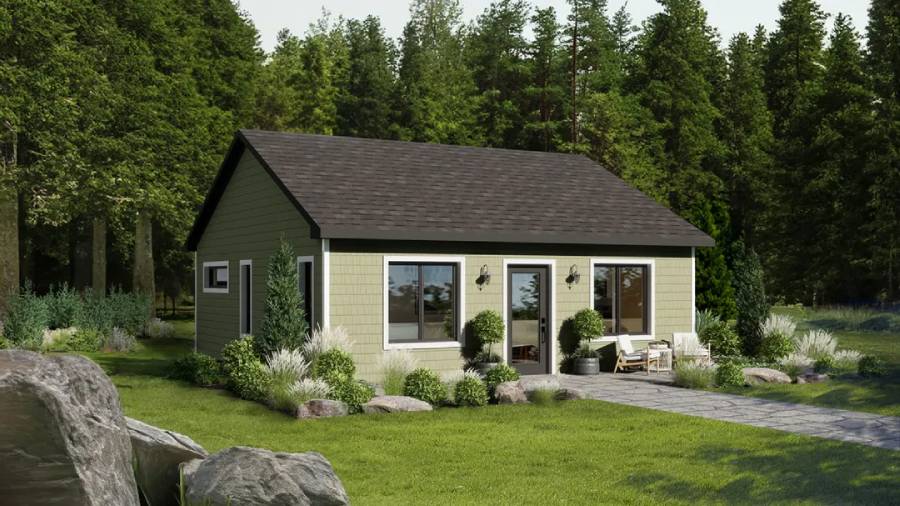
Building a custom home near Georgian Bay requires careful reading of the site before any design work begins. In Parry Sound, rock, water, slope, and weather can shape the budget, schedule, and long-term stability of the home.
Key Takeaways
- Building near Georgian Bay requires careful site planning before construction begins.
- Rock, water, slope, and soil conditions can strongly affect cost and design.
- Seasonal weather in Parry Sound makes scheduling especially important.
- Choosing an experienced local builder helps avoid costly surprises.
Building near Georgian Bay is not like building on a flat city lot. The ground here pushes back. Builders have to read the land first, then think about the house. Granite sits close to the surface. Water often sits closer than people expect. So the real work starts well before any wall goes up. Skip that part, and the budget tends to suffer. That is why planning matters when choosing a custom home builder for a project shaped by rock, grade, drainage, and weather.
That first read matters more than most buyers think. A careful custom home builder in Parry Sound walks the lot more than once. They watch where rain collects. They note exposed rock and soft, low ground. The bay does not forgive guesswork. Some lots look fine on paper, then turn costly the moment the digging starts. Better to learn that early, on a notepad, than later with an excavator idling.
Read the Site Before the Plan
The site decides a lot. It tells you where the house can sit and where it cannot. Maybe the best view faces a slope that needs heavy fill. Maybe the dry corner sits far from the road. A builder who skips this step tends to hand you surprise bills later. And nobody wants a half-finished home with the budget already spent.
What a builder checks on the first visit:
- Where water moves after heavy rain
- How close the bedrock comes to the surface
- Tree cover, wind direction, and morning sun
- The route for the well, the septic, and the driveway
Each of these can shift the price, sometimes by a wide margin. A plan drawn without that knowledge is just a guess.
Build Around the Season
Winter here runs long. The frost goes deep, and the build window stays short. A good builder plans the schedule around that, not against it. Footings and foundations go in first, before the cold locks the ground solid. Framing follows while the weather still holds.
Push the order around, and the project can stall for months. Cold changes how concrete cures and how crews move. Rushing through late fall rarely pays off. So a smart plan leaves room for the calendar to do what it always does up here. Patience now saves grief in the spring.
Respect the Substrate Below
Substrate is the layer under your feet, the rock and soil holding the house. Around Parry Sound, that often means the granite of the Canadian Shield. Strong stuff. But hard to dig, and harder still to break. A foundation set on solid rock can last for generations. One set on loose fill can crack and settle, slowly, year after year.
What this Means for You
You are not only buying a house. You are buying a builder’s judgment about a tricky piece of land. Ask how they handle rock. Ask what happens if the dig hits water. Their answers tell you plenty about the months ahead.
Local experience counts for a lot here. A builder who has worked these lots already knows where the rock hides and where the water runs. That kind of reading is hard to fake. A home that fits its site stays dry, stays steady, and feels right for years. One forced onto the wrong spot reminds you of that mistake every spring. Pick the builder who studies the ground first. Everything after that gets a little easier.