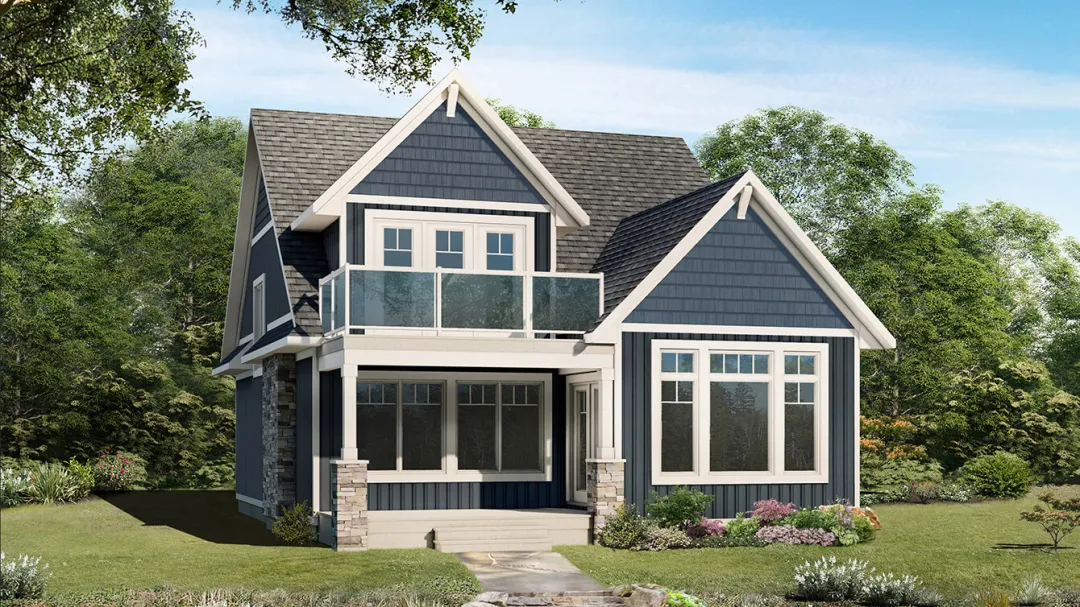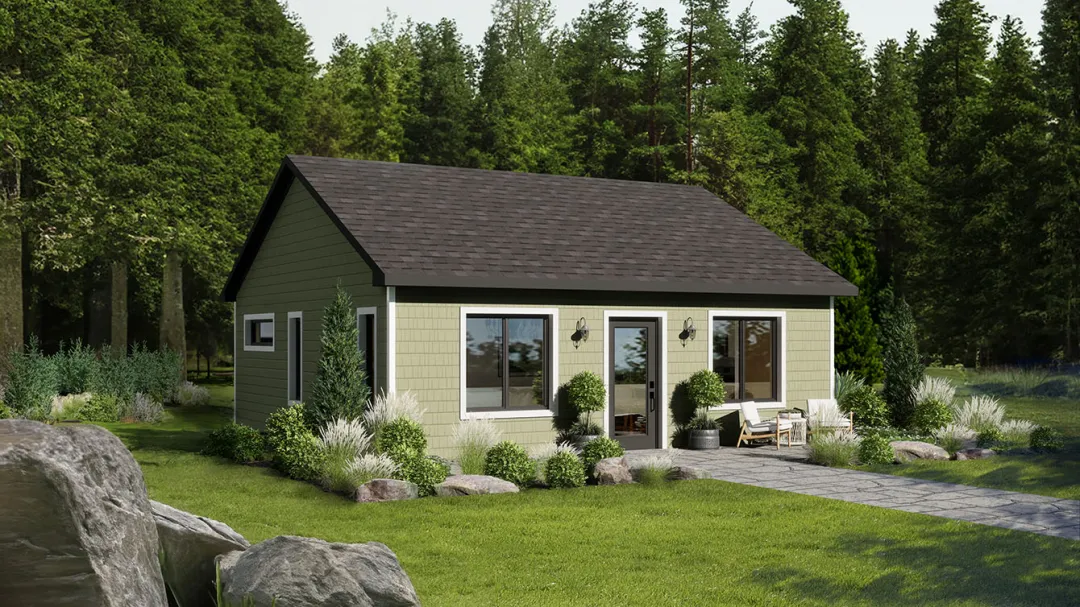
Waterfront lots have their own rules, and stock cottage plans rarely respect them. This post covers how custom cottage designs in Ontario should be shaped around your slope, shoreline, trees, and seasons. A practical guide for anyone planning a build that actually fits the land and the surroundings.
Key Takeaways
- Waterfront lots in Ontario vary widely, so the blueprint should follow the land, not the other way around. Slope, bedrock, sun direction, and shoreline setbacks all shape the build.
- Designing for four seasons protects long-term value. Insulation, winterized plumbing, and a backup heat source matter even if you only plan to use the cottage in summer.
- Small design choices make the biggest difference once you are living there. Covered entries, mudrooms, boat storage, and a clear path from dock to door are easy to overlook on paper.
- A local building partner who understands Northern Ontario lots, weather, and the short building season keeps the project predictable from blueprint to finished build.
You probably already have the view in your head. Maybe it’s the morning light on the water, or the sound of loons before anyone else is up. The trouble is that the picture rarely matches a stock cottage plan pulled off a website. Those designs were drawn for someone else’s lot, someone else’s lake, someone else’s summer. Yours deserves more thought than that. A cottage should sit on its property like it belongs there, not like it was dropped in from a catalogue. Custom cottage designs buyers love tend to start with the land, not the floor plan. The shoreline, the slope, the trees, the prevailing wind. All of it shapes the build before a single wall goes up.
The Lot Tells You What to Build
Every waterfront lot has its own rules. Some slope gently down to the water. Others drop off sharply and force the design up onto posts or a walk-out foundation. Some have bedrock an inch below the moss. Others have soft, shifting soil that needs a different approach entirely. Custom cottage designs in Ontario start with reading the land, not forcing a plan onto it.
Where does the sun set in the late afternoon when you would like to enjoy the deck?
- What is the closest distance allowed for construction to the water according to shoreline regulations?
- Which trees provide wind protection to the cabin, and which ones should remain?
- Are there any secluded spots for placing the septic system away from the well and the lake?
If you skip this step, your cottage will be oriented incorrectly. It is only until the first year that you realize the sunlight reflects off the water into the kitchen window each day.
Designing for Four Seasons, Not Just July
A lot of cottage plans are drawn for summer visits. Screen porches, open floor plans, and that is about it. Fine until you show up in October and the place feels cold before you have even unpacked.
Ontario cottages do better when the design accounts for all four seasons. Even if you only plan to use it in the summer now, that may change later.
Things worth asking your designer:
- Can the plumbing be winterized without tearing things apart?
- Is the insulation sized for shoulder season use, or just July?
- Where does the snow slide off the roof, and does it block an exit
- Is there a woodstove or backup heat if the power goes out for a day
Cottages that work year-round hold their value longer. They also get used more, which is usually the whole point.
Small Choices That Change Everything
Some of the biggest improvements come from small design tweaks. A covered entry that keeps snow off the door. A bunkie layout that gives teenagers a bit of privacy. A mudroom sized for wet dogs and wetter kids. None of it shows up in a glossy render, but all of it matters once you are living there.
Cottage owners often regret the things they did not think about earlier. The boat storage. The generator pad. The path from the dock to the back door is dark. Worth mapping out on paper before the concrete is poured.
Starting With the Right Partner
A family-run building centre that has worked on cottage builds across Northern Ontario knows what the land asks for. The blueprints account for the slope. The material list matches the climate. The schedule respects the short working season between ice-out and freeze-up.
At Kidd’s Homes and Cottages, you pick from over 100 customizable models, then shape the plan around your actual lot. Guaranteed pricing, Builder Risk Insurance, and Progress Draw Mortgage options keep the build predictable. The lake stays the same. The cottage finally matches it.